Evidence of Impact.
Real stories of transformation from the SBIF-LEAP project in Champawat. We document the intersection of human resilience and strategic intervention[cite: 73, 76].
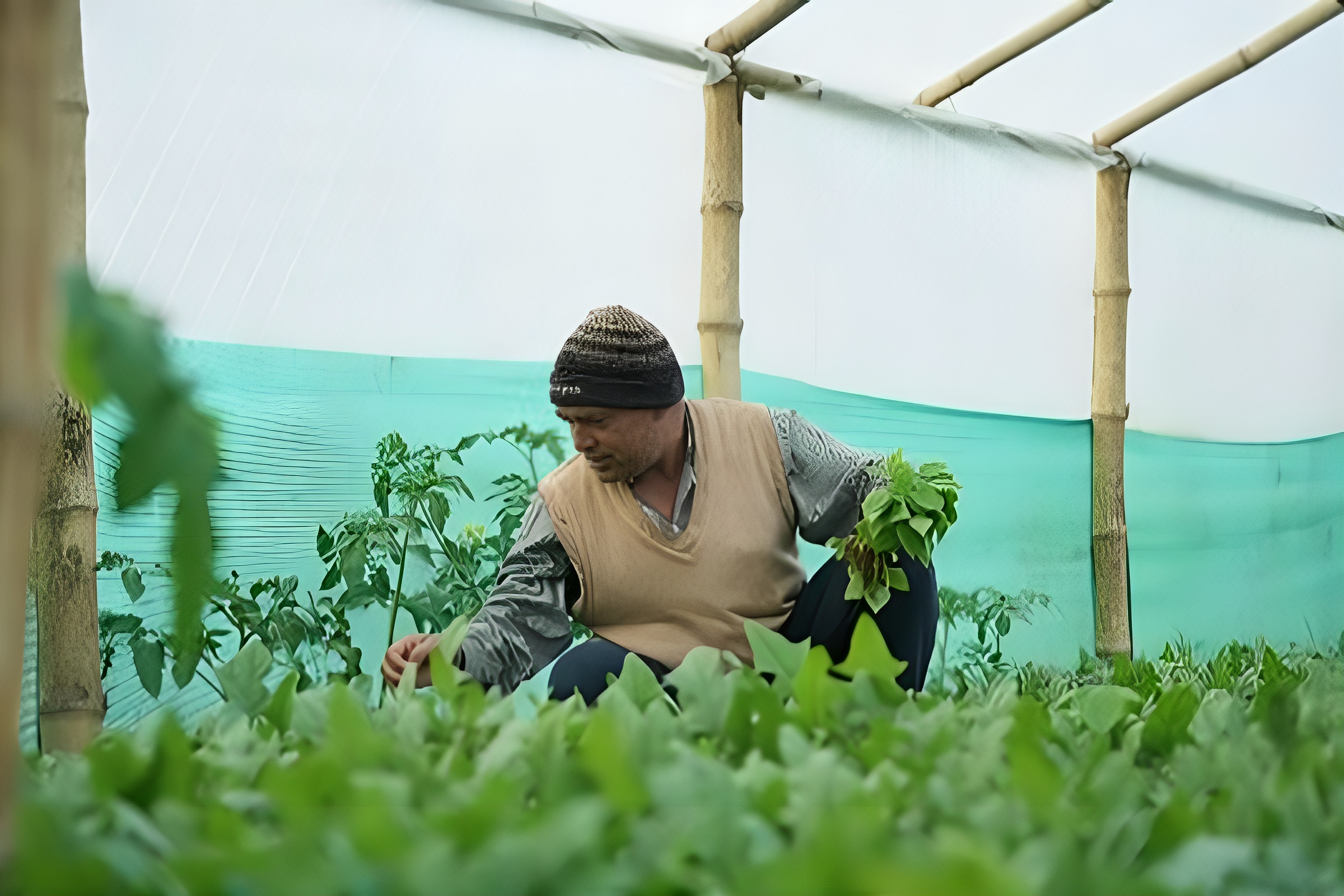
The Returnee's Harvest
Rajendra Goswami
Kanda Village, Champawat
In early 2020, Rajendra lost his private-sector job in New Delhi due to the COVID-19 lockdown, forcing a return to unpredictable open-field farming[cite: 33, 34]. Through the SBIF-LEAP project, he was supported with a 600 sq. ft. bamboo-based polyhouse, drip irrigation, and market linkages[cite: 40, 41]. Today, he has eliminated middlemen through direct sales and transitioned from a distressed migrant worker to a self-employed agri-entrepreneur[cite: 54, 59].
Prior Income
₹10,000
Current Income
₹65,000
Crop Cycles
2 per year
"I no longer depend on cities for work. My field is now my workplace. My polyhouse is my future."
More Stories from the Field
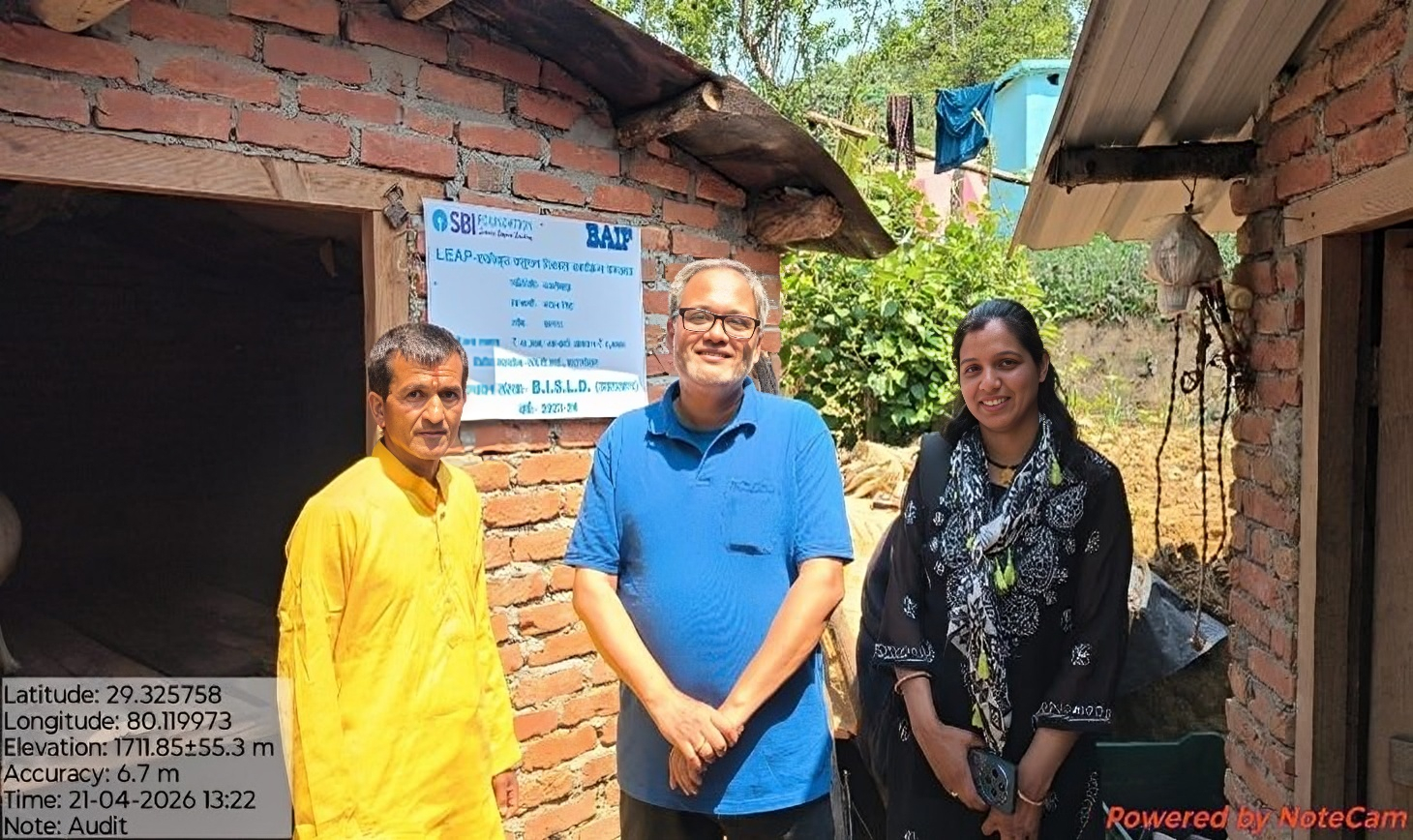
Securing the Herd
Bhawaan Singh — Kanda Village
Impact Metric
Herd grew from 5 to 13+
Struggling with high kid mortality due to harsh weather and predators, Bhawaan transitioned from unstructured rearing to scientific management[cite: 6]. The construction of a well-ventilated goat shed and the introduction of an improved breeding buck stabilized his income, allowing him to sell 9-10 goats annually[cite: 13, 15, 19].
"Now I know my goats are safe. I can plan ahead. Other farmers come to me for advice—that feels good."
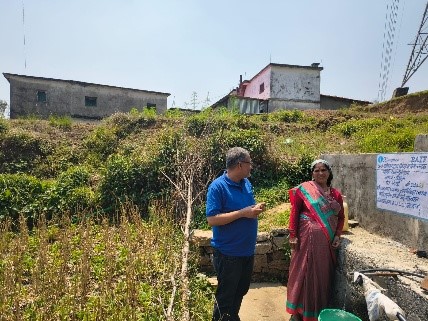
Water and Wealth
Tikaram Family — Morardi Village
Impact Metric
₹30k–₹40k Added Income
An innovative integration of a low-cost polyhouse with a Roofwater Harvesting (RWH) system. The RWH tank not only supports the irrigation of adjacent land but also meets domestic water requirements, building profound climate and livelihood resilience[cite: 87].
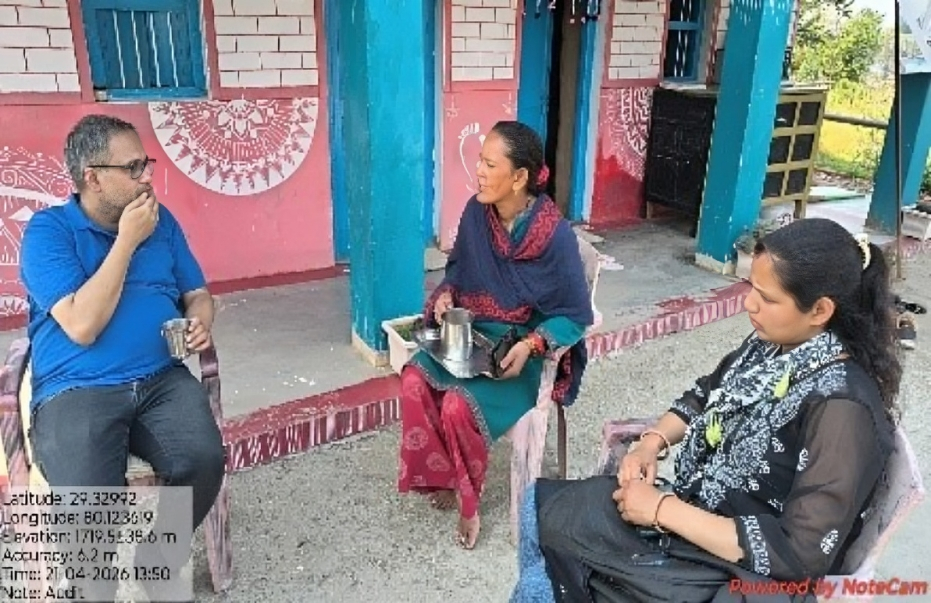
Leading from the Front
Heera Devi — Kanda Village
Impact Metric
₹20,000 Poultry Income
As the President of the Hariyali SHG, Heera Devi leads a 20-member group that has progressed from basic savings to diversified enterprises like fruit processing[cite: 87]. Her personal backyard poultry unit generates significant supplementary income through the local sale of chicks and eggs[cite: 87].
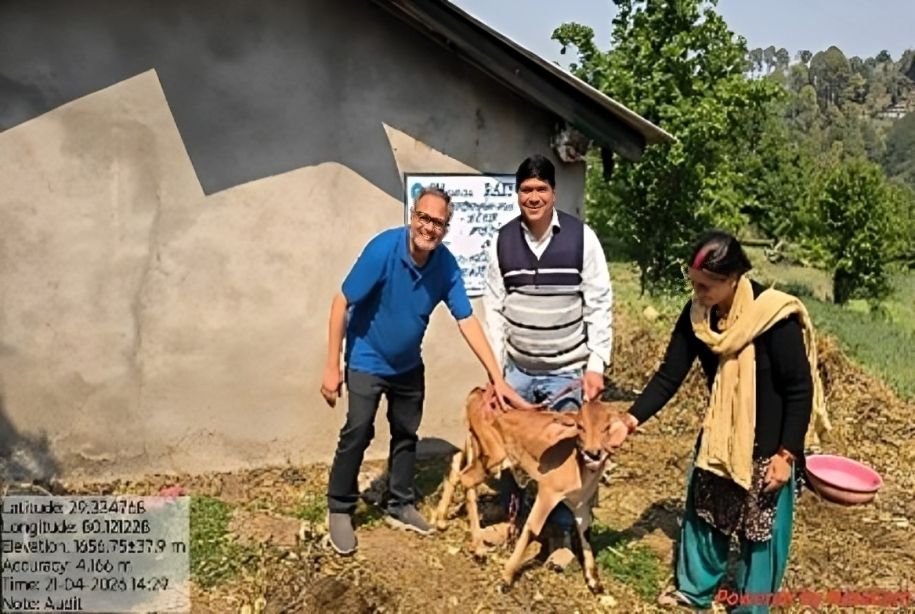
The Safe Haven
Janki Devi — Funger Village
Impact Metric
Cattle herd grew from 3 to 7
Operating a mini dairy unit in a high-risk zone, Janki Devi adopted a safe, disease-free housing system. This intervention drastically reduced cattle disease incidence, increased milk production, and provided critical protection against local wildlife threats like leopards[cite: 87].
Ready to scale what works?
Partner with us to design, implement, and measure interventions that create lasting economic resilience.
Start a Conversation